Measured before and after
We hand back the equipment with its as-found and as-left readings, not just our word that it's fixed.
Maintenance, machining and installation for process plants, mining, power and midsize manufacturers.
Field service when we can, our own machine shop when it takes machine tools.
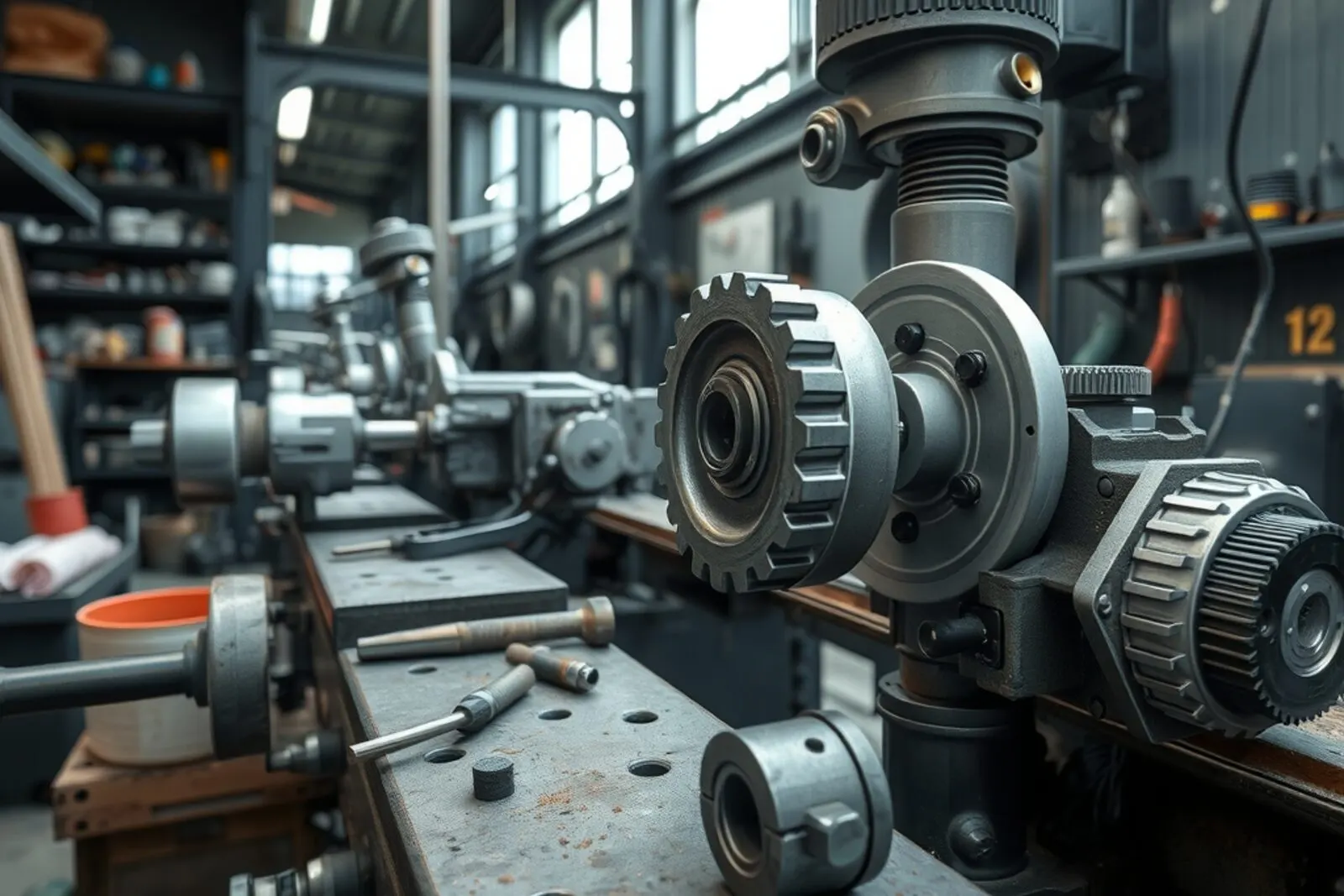
Keyway works so your plant can stop replacing the same component every three months. First, we figure out why it failed.
Vibration and thermography routes that warn you of a failure weeks in advance.
Our own shop to make and rebuild parts to the tolerance on the drawing.
Installation and alignment with a signed report and a no-load test before turnover.
We approach every inquiry from the problem in your plant, not from our list of services.
Pick a question to see how we'd handle it.
We measure vibration while it runs, check alignment and load, and deliver the root cause with the spectrum to back it up.
View related serviceWe rebuild the part with weld buildup and machine it to the drawing, using the procedure its material calls for.
View related serviceWe check shafts, housings and fits against the drawing and give you the cost to repair versus replace, in numbers.
View related serviceWe reverse-engineer the drawing from the worn part, make the replacement and leave you the drawing for next time.
View related serviceWe balance the rotor on our machine or in its own housing and give you the balance grade achieved per the standard.
View related serviceWe plan the installation around that window, move through milestones you can check and turn it over with a report and a no-load test.
View related serviceWe build the equipment list, rank it by criticality and put together the plan with its intervals and minimum spares.
View related serviceYour plant decides where we start and how far we go. Each stage can be hired on its own.
This is how we work on a full job. If part of it is already handled, we step in where we're needed.
Before we take anything apart, we measure: vibration, temperature, clearances and operating conditions. Equipment that gets torn down without a diagnosis fails again for the same reason three months later.
The teardown is documented part by part, with as-found dimensions and the condition of every fit. That record is what later lets us say whether a part gets rebuilt or replaced, with a number instead of a hunch.
We work the part on the lathe, mill or grinder as the drawing requires, and check every critical dimension with calibrated instruments. If a tolerance can't be met, we say so before assembly, not after.
Installation ends with a measured alignment and its report: initial readings, corrections made and final readings within tolerance. Without that report, an installation only looks finished.
We start the equipment up with your plant crew, record vibration and temperature under operating conditions, and measure again after the agreed number of weeks to confirm it's holding steady.
It's not just about getting the equipment running again. It's about making sure it doesn't fail for the same reason.
We hand back the equipment with its as-found and as-left readings, not just our word that it's fixed.
What can be fixed on site stays on site, and what needs machine tools goes to our own shop.
A bearing that fails twice isn't bad luck. We find out why before putting it back together.
Every component that goes into the equipment is logged with its brand, part number and certificate.
We commit to a completion date and work whatever shift operations needs to meet it.
Your maintenance team works alongside us on the installation and can repeat the procedure on their own.
What's worth knowing about Keyway before your first conversation.
Industrial maintenance, machining and mechanical installation.
Rotating equipment: pumps, gearboxes and fans, with their alignment and balancing.
Process plants, mining and power operations, and midsize manufacturers without their own maintenance department.
Getting critical equipment back in service within the window you have, so it doesn't fail again for the same reason.
Measurements before the work, tolerances checked with calibrated instruments and a signed turnover report.
We hand back the equipment with its as-found and as-left readings: the work can be audited, not just trusted.
Tell us which equipment is giving you trouble, and we'll tell you how we'd approach it.